

In today’s digital-first world, ensuring secure access to systems and sensitive information is a top priority. With cyber threats evolving and data breaches becoming more frequent, traditional password-based systems are no longer sufficient. This is where Multi-Factor Authentication (MFA) comes into play. But what is MFA exactly? And how does it enhance our digital security? In this blog post, we will dive deep into MFA, explore its importance in cyber security, and highlight best practices to implement it effectively.
Table of Contents
- MFA Meaning: What Does MFA Stand For?
- What is MFA Authentication?
- MFA in Cyber Security
- Real-World Examples of MFA
- Benefits of Using MFA
- Challenges and Best Practices
- Conclusion
MFA Meaning: What Does MFA Stand For?
MFA stands for Multi-Factor Authentication. It's a cyber security method that requires users to provide two or more verification factors to gain access to a system, application, or network. Unlike traditional login methods that rely on a single credential (like a password), MFA adds extra layers of protection.
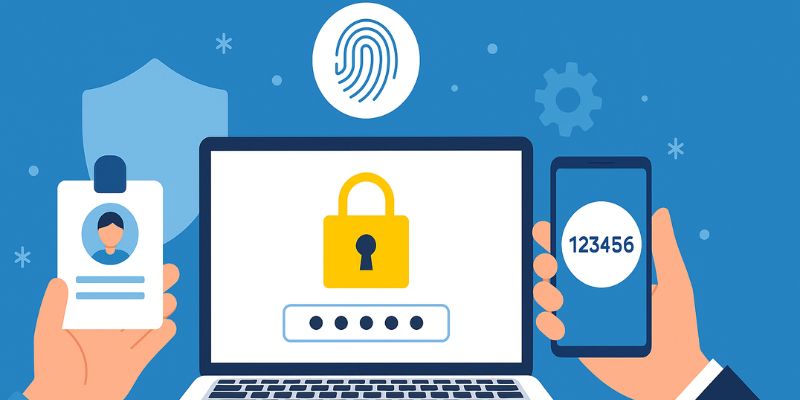
The MFA full form, Multi-Factor Authentication, clearly explains its function: combining multiple methods of verifying identity. This may include something you know (like a password), something you have (like a phone or security token), or something you are (like a fingerprint or facial recognition).
What is MFA Authentication?
So, what is MFA authentication in practical terms? It’s a security process that requires users to verify their identity using more than one authentication factor. These factors typically fall into three categories:
- Knowledge Factors: Something the user knows (e.g., a password or PIN)
- Possession Factors: Something the user has (e.g., smartphone, hardware token)
- Inherence Factors: Something the user is (e.g., biometric data like fingerprints or facial recognition)
A common example of MFA authentication is when you log in to an online account with a password and are then required to enter a code sent to your mobile phone.
Companies like Trevonix, a global leader in identity and access management (IAM), implement multi factor authentication security strategies to protect their clients' systems and data from unauthorized access.
MFA in Cyber Security
MFA in cyber security is no longer optional – it's essential. With cyberattacks growing more sophisticated, using multiple layers of verification makes it significantly harder for attackers to breach an account.
Why MFA Cyber Security is Important:
- Reduces Risk of Unauthorized Access: Even if passwords are stolen, access can be blocked using additional factors.
- Mitigates Phishing Attacks: Even successful phishing attempts may fail without the second authentication factor.
- Enhances Compliance: Many regulations and standards (like GDPR, HIPAA, and PCI-DSS) recommend or require MFA.
Organizations like Trevonix offer managed MFA services tailored to enterprise security needs, ensuring robust multi factor authentication security for their clients.
Real-World Examples of MFA
Understanding what is MFA becomes easier with practical examples. Here are some real-world uses of MFA authentication:
1. Banking Applications:
Most banks now require a password and a one-time passcode (OTP) sent via SMS or app.
2.Corporate VPNs:
Employees log in with credentials and confirm identity using apps like Google Authenticator or YubiKey.
3. Cloud Services (e.g., AWS, Microsoft Azure):
Cloud platforms enforce MFA authentication using mobile apps, SMS, or biometric verification.
4. Social Media Accounts:
Facebook, Instagram, and Twitter offer multi factor authentication to prevent unauthorized account access.
5. Trevonix IAM Implementations:
As a trusted partner for IAM deployment, Trevonix helps organizations secure access to enterprise applications using MFA solutions tailored to their needs.
Benefits of Using MFA
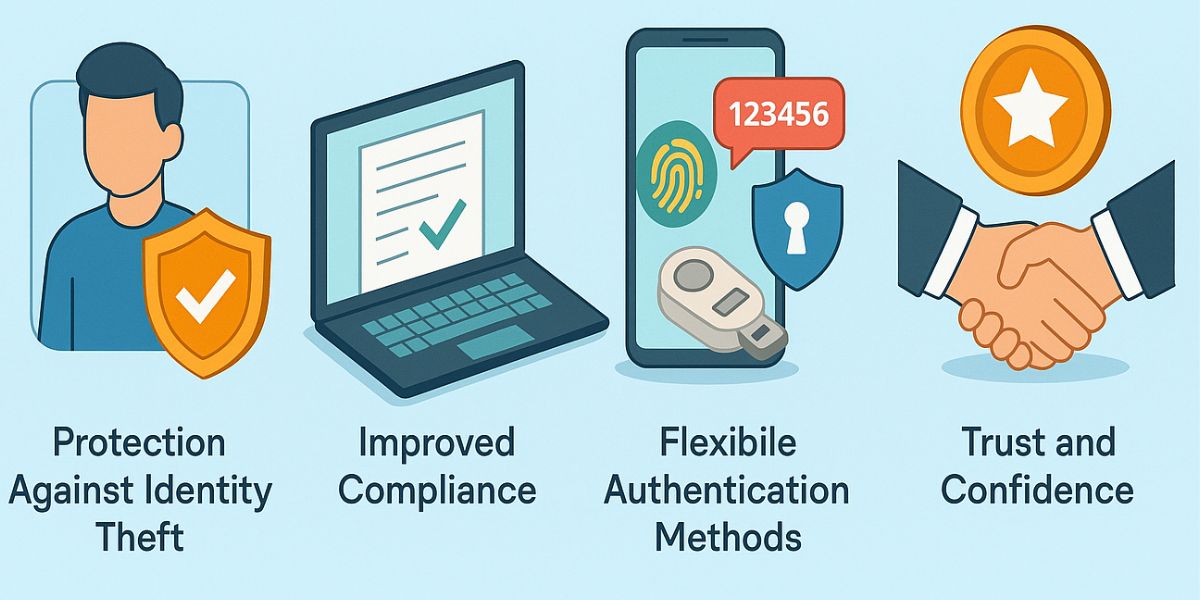
Implementing MFA provides numerous advantages:
1. Stronger Security:
MFA ensures that compromised passwords alone are not enough to access an account.
2.Protection Against Identity Theft:
With multiple verification methods, it becomes difficult for attackers to impersonate users.
3. Improved Compliance:
Using MFA authentication helps meet compliance requirements and industry standards.
4. Flexible Authentication Methods:
Users can choose from SMS codes, authenticator apps, biometrics, and hardware tokens.
5. Trust and Confidence:
Organizations that adopt multi factor authentication security demonstrate a commitment to user safety.
Leading firms like Trevonix not only implement MFA but also manage and optimize IAM solutions globally.
Challenges and Best Practices
Despite its advantages, MFA comes with a few challenges.
Common Challenges:
- User Resistance: Some users find MFA authentication inconvenient.
- Cost and Complexity: Implementing MFA across all systems can be resource-intensive.
- Lost Devices: When a phone or token is lost, access recovery can be complex.
Best Practices for MFA Implementation:
- Start with High-Risk Areas: Protect administrative and financial systems first.
- Educate Users: Make users aware of the importance of multi factor authentication.
- Use Adaptive MFA: Adjust authentication strength based on risk level.
- Leverage Trusted Providers: Companies like Trevonix offer reliable and scalable MFA solutions.
- Monitor and Audit Access: Regularly review access logs for unusual activity.
Conclusion
In summary, MFA, or Multi-Factor Authentication, is a critical element in modern cyber security strategies. It reduces risks associated with password-only access and enhances overall data protection. By requiring more than one form of authentication, MFA makes it exponentially harder for cybercriminals to gain unauthorized access.
We explored the MFA meaning, what is MFA authentication, its role in MFA cyber security, and how it benefits both users and organizations. Real-world examples and best practices show that MFA is not just an option but a necessity.
Organizations like Trevonix play a vital role in helping businesses implement and manage advanced multi factor authentication security frameworks. By adopting MFA, businesses can not only protect their assets but also build trust with clients and stakeholders.
If you haven’t already, now is the time to embrace MFA and take your cyber security posture to the next level.