

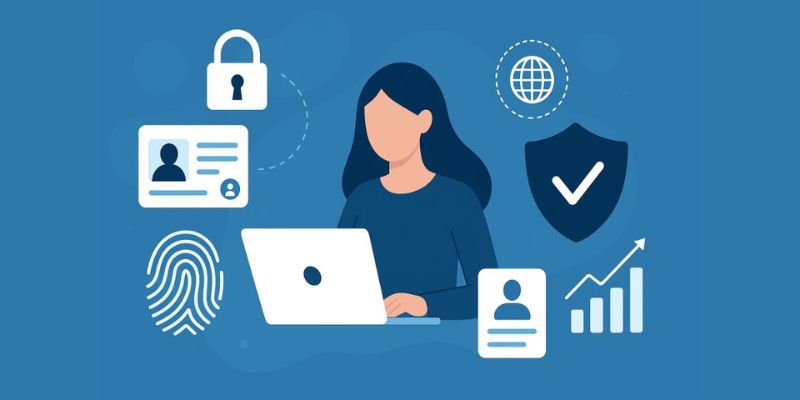
An email account login (username and password) is a simple example of digital identity.
In today’s digital-first world, every person and organization leaves a trace online. From logging into social media accounts to accessing banking apps, our personal and professional lives are built around digital identity. But what is digital identity exactly? Why does it matter so much for security, privacy, and compliance? And how can businesses and individuals manage and protect it in a time when cyber threats are growing daily?
This article takes a deep dive into digital identity—its meaning, types, importance, management strategies, and protection methods. We’ll also explore the latest digital identity solutions and look at what the future holds.
By the end, you’ll understand not only the basics of what is digital identity, but also how organizations can adopt strong practices to safeguard people and systems.
Table of Contents
- What Is Digital Identity?
- Why Digital Identity Matters
- Types of Digital Identity
- What Is Digital Identity Management?
- How to Protect Your Digital Identity
- Digital Identity Solutions
- Future of Digital Identity
- Conclusion
- FAQ
What Is Digital Identity?
At its core, digital identity is the online version of who you are. It is the collection of data points and credentials that represent you in the digital world. Just like your physical identity includes your name, ID card, and face, your digital identity includes your login credentials, behavior, and personal data.
Components of Digital Identity
- Username and Password – The most basic and widely used elements of digital identity. For example, your Gmail account or Netflix login.
- Biometrics – Fingerprints, facial recognition, or voice authentication that confirm “you are really you.”
- Personal Data – Name, birthdate, phone number, address, and other identifiable information.
- Online Activity – Search history, transaction history, and even your social media interactions.
- Identifiers Issued by Organizations – Employee IDs, student IDs, or government digital IDs like Aadhaar (India) or eID (Europe).
Examples in Daily Life
- Logging into email: Using your email address and password proves your identity.
- Mobile banking: Banks often use a combination of passwords, biometrics, and one-time passcodes.
- Streaming apps: Platforms like Spotify or Netflix verify your digital identity to give you personalized access.
In simple words, digital identity is the passport that allows you to move across the digital world securely.
Why Digital Identity Matters
Digital identity is not just a convenience—it’s the foundation of modern online life. Without it, you couldn’t access your personal data, log into apps, or even prove who you are to a service provider.
1. Role in Online Security
Digital identity ensures that only authorized people can access sensitive systems. For example, multi-factor authentication (MFA) reduces the chance of attackers breaching accounts.
2. Privacy and Personal Control
Your digital footprint contains sensitive information. Without managing your digital identity, your personal privacy can be compromised.
3. Importance for Organizations
Businesses use digital identity management to:
- Protect employees and customers.
- Reduce fraud and cyberattacks.
- Build trust with stakeholders.
4. Compliance with Regulations
Governments and industries require companies to handle digital identities responsibly. Examples include:
- GDPR (Europe) – Protects personal data and privacy.
- HIPAA (United States) – Protects healthcare information.
- PSD2 (EU) – Regulates secure payments in banking.
This shows that digital identity is not optional; it’s a must for security, compliance, and business growth.
Types of Digital Identity
There are several types of digital identity, each serving different purposes.
1. Personal Digital Identity
Represents an individual, including credentials for social media, online shopping, and emails.
2. Organizational Digital Identity
Covers businesses, including company domains, employee accounts, and digital signatures.
3. Government Digital Identity
Issued by governments, such as Aadhaar (India), eID (EU), or digital driving licenses.
4. Device Identity
Every laptop, mobile phone, and IoT device has a unique identifier (like an IP address or MAC address).
5. Behavioral Identity
Patterns of typing, browsing, or spending behavior that can uniquely identify someone.
Understanding the types of digital identity helps in building secure systems that meet both personal and organizational needs.
What Is Digital Identity Management?
Digital identity management is the process of creating, verifying, monitoring, and securing digital identities. It ensures that the right people (or devices) have the right access at the right time.
Key functions include:
- Authentication – Verifying if a user is who they claim to be.
- Authorization – Granting access based on role or privilege.
- Single Sign-On (SSO) – Allowing users to log in once and access multiple apps.
- Identity Governance – Ensuring compliance with policies and regulations.
For example, an employee logging into Microsoft Teams, Outlook, and SharePoint through one secure login is possible because of digital identity management.
How to Protect Your Digital Identity
Protecting your digital identity is critical in an era of data breaches and identity theft. Here are proven strategies:
1. Use Strong Passwords and MFA
Always create unique passwords and enable multi-factor authentication.
2. Limit Personal Data Sharing
Be cautious about oversharing information on social media.
3. Monitor Accounts Regularly
Check for suspicious login attempts or unusual account activity.
4. Secure Devices
Keep devices updated and use antivirus software.
5. Beware of Phishing Attacks
Never click on unknown links or share login credentials.
Learning how to protect your digital identity can reduce risks of fraud, hacking, and data loss.
Digital Identity Solutions
Organizations worldwide are investing in digital identity solutions to protect their systems and users.
Common Digital Identity Solutions:
- Identity and Access Management (IAM) – Controls user access.
- Privileged Access Management (PAM) – Protects high-level administrator accounts.
- Customer Identity and Access Management (CIAM) – Ensures customer trust and secure digital experiences.
- Zero Trust Security Models – “Never trust, always verify” approach to access.
These digital identity solutions make businesses resilient against modern cyber threats while ensuring user convenience.
Future of Digital Identity
The future of digital identity is evolving rapidly with new technologies:
- Decentralized Identity (DID) – Users control their own identity instead of relying on centralized authorities.
- Blockchain-based Digital Identity – Provides transparency and reduces fraud.
- AI-Powered Identity Verification – Detects anomalies in behavior and prevents fraud in real-time.
- Biometric Expansion – Wider use of fingerprints, retina scans, and voice recognition.
As cyber threats grow, the demand for secure and innovative digital identity management will only increase.
Conclusion
Digital identity is no longer just a technical concept—it is the key to security, trust, and compliance in the digital world. Whether it’s individuals protecting personal data or organizations securing employees and customers, managing and safeguarding digital identities is essential.
Companies looking to stay ahead need reliable digital identity solutions that address security challenges while offering user convenience.
At Trevonix, headquartered in London and serving clients across the globe, we specialize in helping organizations strengthen their digital identity management and build future-ready security strategies.