

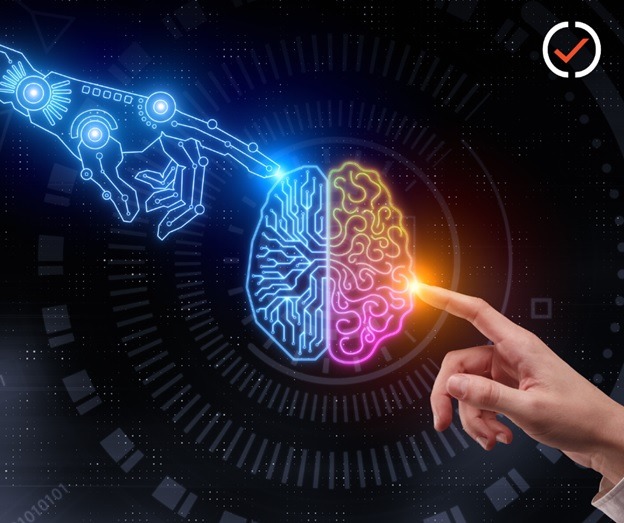
Artificial Intelligence is reshaping the digital experience—but it’s also redefining the boundaries of trust. Ping Identity’s latest global survey reveals that 68% of consumers now use AI, up from just 41% last year. Yet, paradoxically, fewer than one in five (17%) fully trust organizations managing their identity data.
Trust erosion is evident. 75% of respondents say they are more concerned about personal data security than five years ago, while AI-driven scams and phishing attacks are growing more sophisticated and harder to detect. The result is a world where consumers interact with digital services daily—but with increasing skepticism and uncertainty.
As Darryl Jones, Vice President of Consumer Segment Strategy at Ping Identity, summarized, we are entering a “trust nothing” era—one where AI-powered deception challenges every assumption about authenticity and identity verification.
What Consumers Are Saying
- AI adoption soars: 68% now use AI tools regularly.
- Security fears deepen: 75% are more concerned about data safety than before.
- Low scam awareness: Only 23% feel confident distinguishing real from fake.
- Demand for regulation: 73% want stronger AI oversight to protect personal data.
- Biometrics lead trust-building: 34% rank biometric authentication as their top trust enabler, followed by 33% favoring MFA.
The message is clear: consumers are seeking stronger, smarter, and more transparent ways to secure their digital identities.
Trevonix’s Take: Turning the Trust Crisis into a Trust Advantage
At Trevonix, we believe this shift marks a pivotal opportunity. As AI reshapes both innovation and risk, identity must become the new perimeter. The path forward lies in Identity-First Security—where trust is continuously earned through intelligent verification, not assumed through static credentials.
Our approach emphasizes:
- Adaptive Authentication: Dynamic, context-aware security that adjusts to risk signals in real time.
- Biometric Intelligence: Seamless, privacy-conscious identity verification to combat AI-driven fraud.
- Behavioral Analytics: Continuous monitoring to detect anomalies before they become breaches.
- Zero Trust Architecture: Every access request is validated, authenticated, and authorized—no exceptions.
Beyond technology, Trevonix advocates for a culture of transparency and education. Building trust isn’t just about compliance—it’s about clarity. Users deserve to know how their data is protected, and organizations must be accountable for proving it.
The Road Ahead
As AI continues to redefine interactions and identities, trust will become the ultimate differentiator. The enterprises that integrate AI-resilient identity frameworks today will lead tomorrow’s digital economy—one built not just on innovation, but on integrity.
At Trevonix, we believe the future belongs to brands that prioritize trust, transparency, and intelligent identity protection at every layer of digital engagement.