
Vulnerability assessment meaning refers to the process of identifying and prioritizing weaknesses in IT systems, networks, and applications to prevent cyberattacks.
In today’s hyper-connected digital world, cyber threats are constantly evolving. Organizations, regardless of size or industry, face growing risks from hackers, malware, ransomware, and insider threats. One of the most effective ways to stay ahead of attackers is to identify weaknesses before they are exploited. This is where vulnerability assessment becomes essential.
A vulnerability assessment in cyber security is a systematic process of scanning, identifying, and prioritizing security weaknesses across systems, networks, and applications. Businesses that ignore these assessments are at greater risk of breaches, data theft, compliance failures, and reputational damage.
This comprehensive guide explains the meaning of vulnerability assessment, the different types of vulnerability assessment, the step-by-step process, the role of vulnerability assessment services, and the best practices organizations must follow.
By the end of this blog, you will have a clear understanding of how to strengthen your organization’s defense through regular vulnerability assessments.
Table of Contents
- Introduction
- What is Vulnerability Assessment?
- Importance of Vulnerability Assessment in Cyber Security
- Types of Vulnerability Assessment
- Vulnerability Assessment Process
- Vulnerability Assessment Services
- Best Practices for Effective Vulnerability Assessment
- Challenges in Vulnerability Assessment
- Conclusion
- FAQs
What is Vulnerability Assessment?
Vulnerability Assessment Meaning
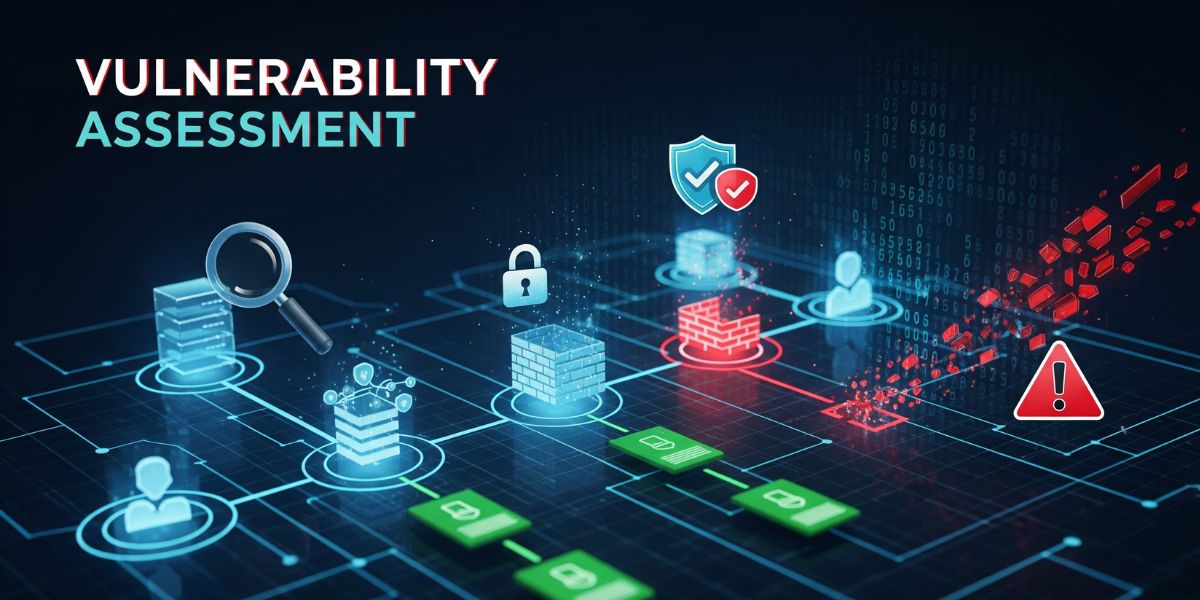
A vulnerability assessment refers to the process of systematically identifying, measuring, and prioritizing security flaws (vulnerabilities) in computer systems, applications, or networks. These vulnerabilities could be unpatched software, misconfigured systems, weak passwords, or open ports that hackers could exploit.
In simple terms, vulnerability assessment is like a health check-up for your IT infrastructure. Just as doctors run diagnostic tests to spot potential health issues, cybersecurity professionals conduct vulnerability assessments to discover weaknesses before cybercriminals take advantage of them.
Repeating focus keyword examples:
- The vulnerability assessment meaning revolves around identifying risks before they become real threats.
- A cyber security vulnerability assessment ensures businesses proactively reduce risks.
Difference Between Vulnerability Assessment and Vulnerability Analysis
Though they sound similar, vulnerability assessment and vulnerability analysis are not the same:
- Vulnerability Assessment: The broader process of scanning systems and identifying vulnerabilities.
- Vulnerability Analysis: A deeper evaluation that focuses on understanding the impact and root cause of those vulnerabilities.
In short, assessment is about identifying weaknesses, while analysis is about understanding them in detail. Both are critical for a strong cyber defense.
Why Businesses Need Vulnerability Assessments Regularly
Businesses need regular vulnerability assessments because:
- New threats emerge daily – Attackers are constantly finding new ways to exploit software.
- Regulatory compliance – Standards like GDPR, HIPAA, and PCI DSS require regular assessments.
- Proactive defense – Instead of waiting for an attack, companies can fix weaknesses early.
- Protect reputation – Preventing breaches protects customer trust and brand credibility.
Without regular vulnerability assessments, even the most secure-looking business could be exposed to unseen risks.
Importance of Vulnerability Assessment in Cyber Security
The importance of vulnerability assessment in cyber security cannot be overstated. Here are some reasons why it is vital:
- Identifies hidden risks: Vulnerabilities often remain undetected until scanned.
- Prevents costly breaches: Fixing a flaw is much cheaper than dealing with a cyberattack.
- Improves incident response: Knowing weak points allows teams to plan better defenses.
- Ensures compliance: Many industries require periodic vulnerability assessments.
- Boosts customer trust: Secure businesses attract and retain more clients.
A cyber security vulnerability assessment not only protects systems but also strengthens overall organizational resilience.
Types of Vulnerability Assessment
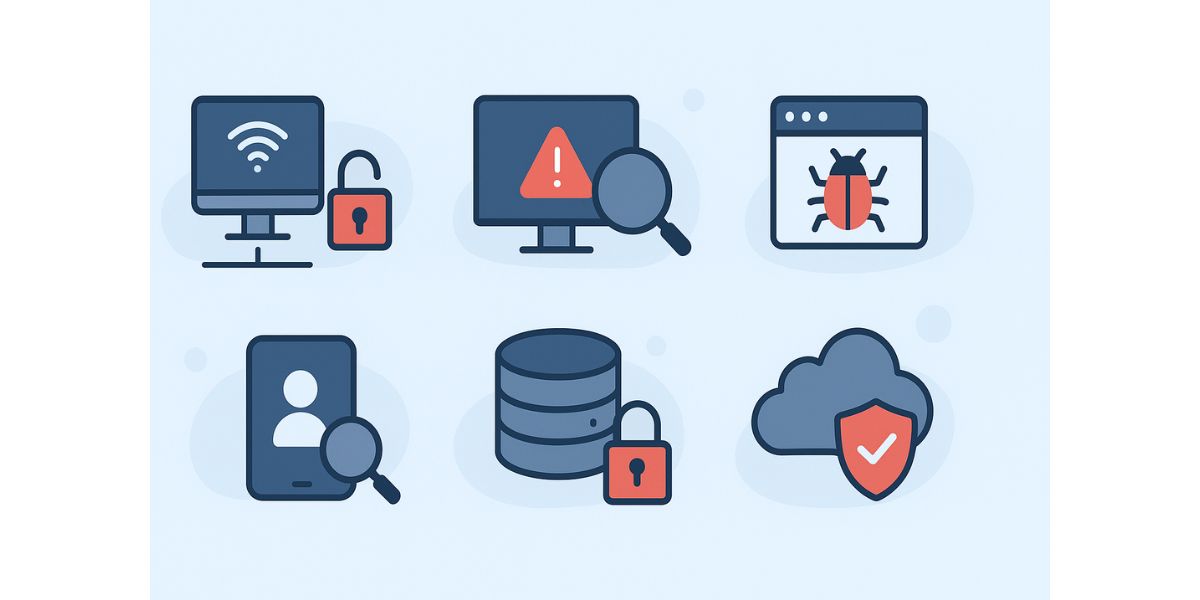
There are several types of vulnerability assessment, each addressing specific security layers. The main ones include:
1. Network-Based Vulnerability Assessment
- Scans networks for open ports, misconfigurations, and unauthorized devices.
- Helps detect risks like insecure Wi-Fi or exposed routers.
2. Host-Based Vulnerability Assessment
- Focuses on individual devices such as servers, desktops, or laptops.
- Identifies outdated software, weak credentials, or missing patches.
3. Application Vulnerability Assessment
- Targets web and mobile applications.
- Detects flaws like SQL injection, cross-site scripting (XSS), or insecure APIs.
4. Database Vulnerability Assessment
- Reviews database environments for misconfigurations, insecure accounts, or unauthorized access.
5. Cloud Vulnerability Assessment
- Ensures cloud-based services and storage follow best security practices.
- Crucial for businesses using AWS, Azure, or Google Cloud.
Each of these types of vulnerability assessment is essential depending on business infrastructure and industry.
Vulnerability Assessment Process
The vulnerability assessment process typically involves these steps:
1. Planning and Scoping
- Define systems, applications, and networks to assess.
- Set goals and compliance requirements.
2. Scanning and Identification
- Use automated tools to scan for vulnerabilities.
- Collect data on risks and potential exploits.
3. Analysis and Prioritization
- Conduct vulnerability analysis to determine impact.
- Rank vulnerabilities based on severity (low, medium, high, critical).
4. Reporting
- Create a clear report of findings with remediation steps.
5. Remediation and Reassessment
- Apply patches, reconfigure systems, or strengthen access controls.
- Re-scan to ensure fixes are successful.
This structured approach ensures vulnerability assessments are consistent, accurate, and effective.
Vulnerability Assessment Services
Many organizations turn to vulnerability assessment services for expert support. These services typically include:
- Automated vulnerability scanning tools.
- Manual verification by security professionals.
- Risk prioritization and reporting.
- Compliance-specific assessments (PCI DSS, HIPAA, ISO 27001).
- Continuous monitoring and managed services.
Hiring professional vulnerability assessment services is often more cost-effective than building an in-house team. They bring specialized expertise, advanced tools, and industry best practices to secure systems effectively.
Best Practices for Effective Vulnerability Assessment
To get the most value from vulnerability assessments, organizations should follow these best practices:
- Schedule Regular Assessments – Quarterly or monthly checks depending on risk profile.
- Combine Automated and Manual Testing – Tools find known issues, while experts detect complex risks.
- Prioritize High-Risk Vulnerabilities – Not all risks are equal; focus on those with greatest impact.
- Integrate with Patch Management – Ensure identified flaws are fixed quickly.
- Conduct Post-Remediation Verification – Confirm vulnerabilities are resolved.
- Include Cloud and Remote Systems – With hybrid work, external systems are just as vulnerable.
- Maintain Detailed Documentation – Keep records for audits, compliance, and future reference.
These best practices for vulnerability assessment in cyber security ensure organizations remain resilient against emerging threats.
Challenges in Vulnerability Assessment
While vulnerability assessments are critical, they come with challenges:
- False positives – Tools may flag harmless issues.
- Resource constraints – Small teams may lack time and expertise.
- Rapidly evolving threats – New vulnerabilities appear faster than businesses can patch.
- Complex IT environments – Multiple devices, apps, and cloud systems make assessments harder.
- Compliance pressure – Meeting global regulatory requirements can be difficult.
Overcoming these challenges requires a combination of expertise, automation, and regular reviews.
Conclusion
A vulnerability assessment in cyber security is not just a compliance requirement but a business necessity. By proactively identifying and addressing weaknesses, organizations reduce risks, protect sensitive data, and build customer trust.
From understanding the vulnerability assessment meaning, exploring the types of vulnerability assessment, and following best practices, businesses can create a stronger security posture.
For enterprises seeking global expertise, Trevonix provides world-class vulnerability assessment services and end-to-end cybersecurity solutions. Headquartered in London, Trevonix serves primary markets across the US, UK, and Europe, while extending its support to the Middle East, APAC, and ANZ. By partnering with Trevonix, organizations can ensure their systems remain resilient, compliant, and protected against evolving cyber threats.